Vision
We live in a world where extreme economic inequality, poverty, and environmental pollution are far from unfamiliar phenomena. They are the result of contemporary systems that are increasingly failing to provide answers to the issues and challenges of our time.
Globalisation and production on a worldwide scale have led to the emergence of large-scale organisations and concentrations of power. As a result, vast regions and many people have become highly dependent on these large organisations for raw materials, energy, and food. Moreover, production on a global scale contributes to large-scale pollution of the biosphere. The need for systemic change is therefore clear.
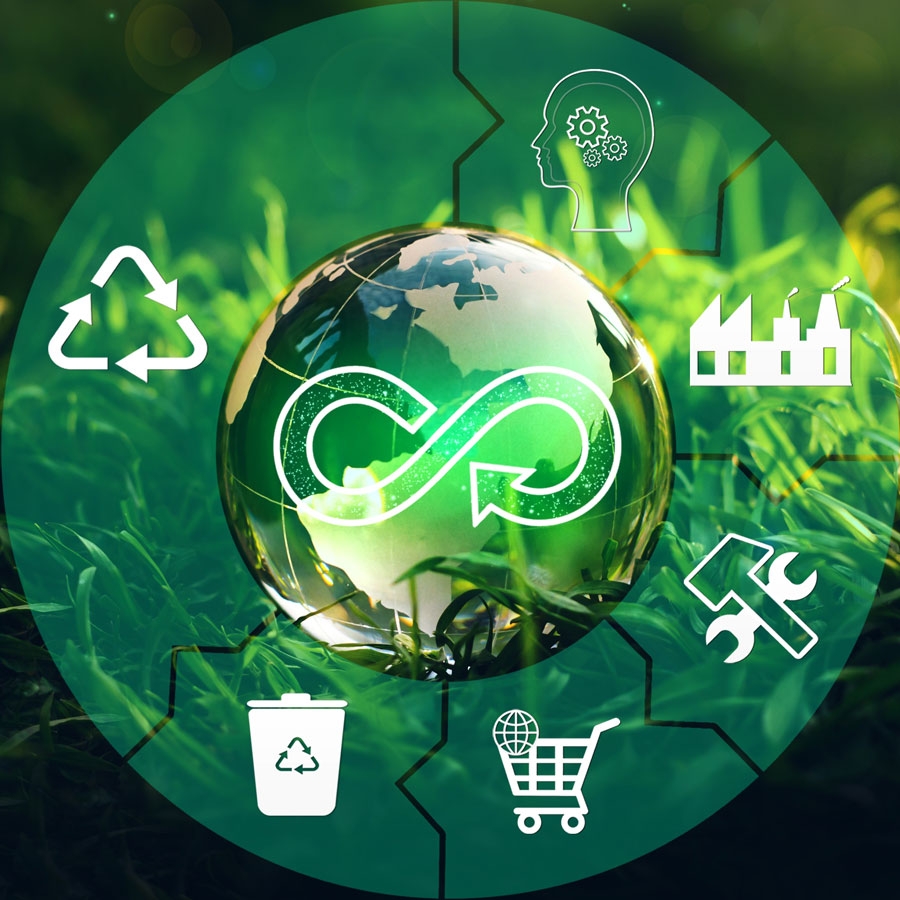
KOTA Sustainable Ideas believes in a new way of living in the 21st century, in which the systems that shape our lives are based on social, economic, and ecological values. The balanced way of life that emerges from this consists of interconnected subsystems focused on restoration, regeneration, optimisation, diversity and the creation of abundance. The path towards this balanced way of life is therefore one of decentralisation. By decentralising these systems, people gain greater control over the way they live. This allows individual autonomy and freedom to play a greater role, within communities of people who also live in harmony with nature.
The world will not evolve past its current state of crisis by using the same thinking that created the situation.
Albert Einstein
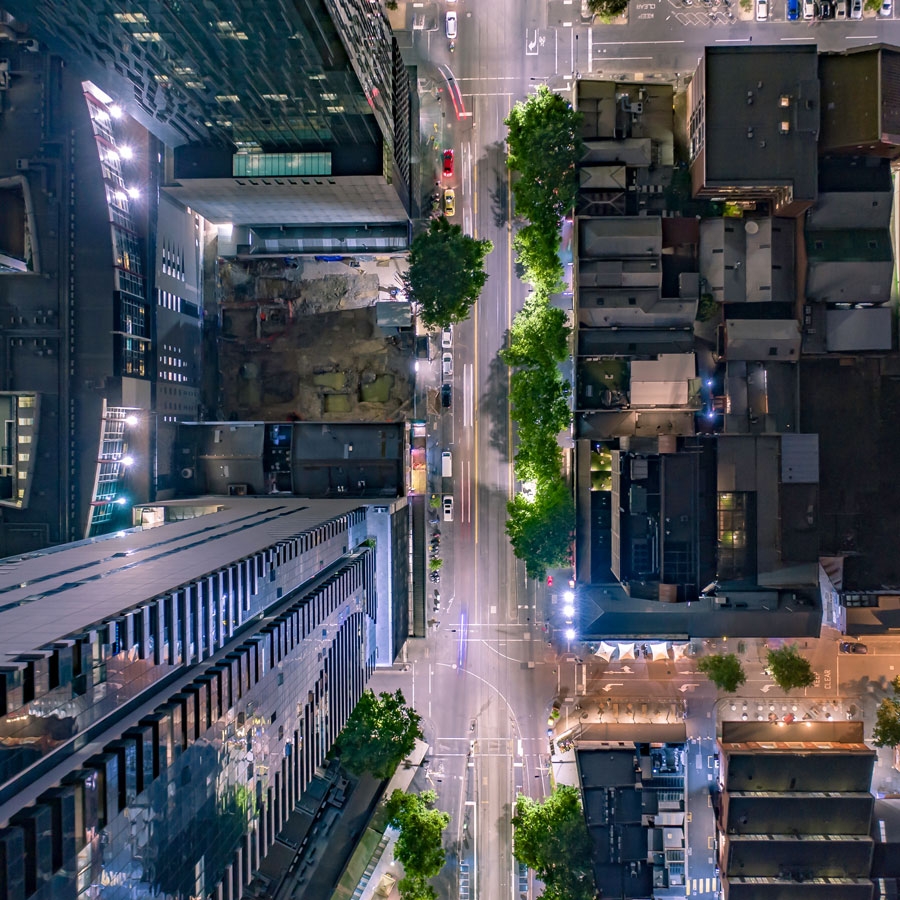
According to KOTA Sustainable Ideas, a new way of living therefore begins with the spatial planning and the design of our living environment. This should be approached in a way that embeds decentralisation and sustainability into the spaces around us. Greater attention is therefore needed for regional development, localism and an integrated approach to urban planning. The emphasis should be placed on the interaction between different spatial transitions so that synergies can be created. By approaching these transitions as interconnected processes, we can make optimal use of our living environment. Ultimately, this optimal use of space can contribute to a sustainable world in which a balanced way of life enables people to flourish.
